
After the wall was built, the Jews came to celebrate the Feast of Trumpets as commanded by God in Leviticus 23.
And on this day, Ezra the priest read the law of God to the people. Several things strike me as I read this.
First, the reverence that people had for God’s word and for God himself.
When Ezra opened up the book to read it, everyone stood up. They then listened attentively while he read.
And when Ezra praised the Lord, they bowed down with their faces to the ground.
How often do we have that kind of reverence for God and his Word?
When we come before him, do we come with the humble hearts that these people had? And are our hearts turned to what he would say to us? Or do we let ourselves get distracted by other things?
I’m also struck by the need of good teachers of God’s word.
In verse 8, it says that as the Levites read from the book of the law, they made it clear and gave the meaning so that everyone could understand what God was trying to say.
That need is still great in the church today: people who can take God’s word and make it simple enough for all who hear to understand and grasp.
The third thing that strikes me is the response of the people.
When they heard God’s word, they wept as they realized how much they had violated God’s law and brought disaster upon themselves.
Do we have the same response when God shows us the sin in our lives? Do we weep in repentance?
Or have we become hardened to our sin?
But the final thing that strikes me is that God does not wish us to wallow in our sorrow.
Rather, he wishes us to revel in his joy.
Nehemiah told the people,
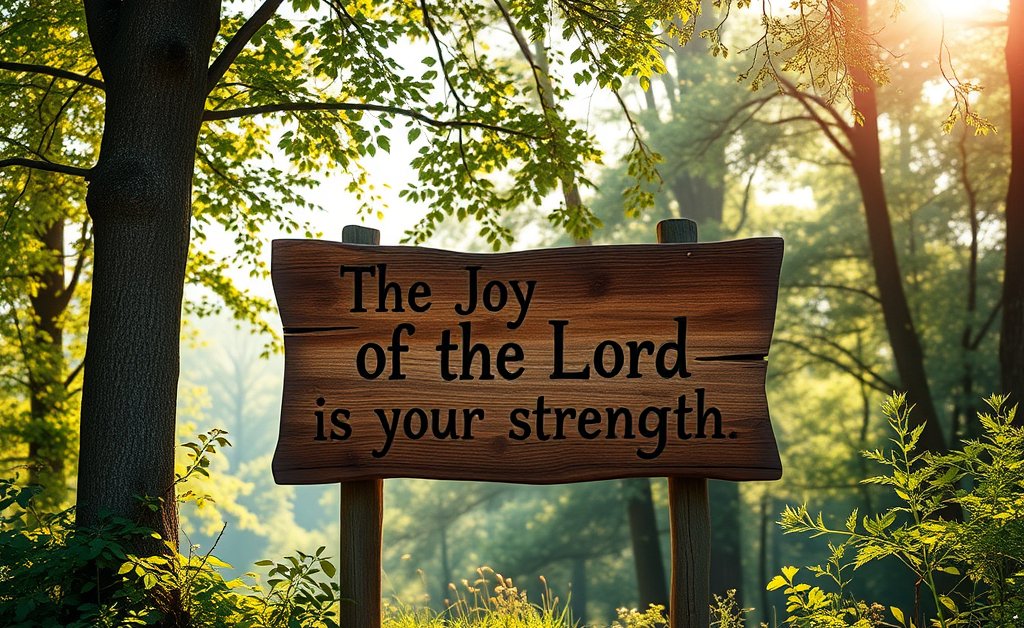
Do not grieve, for the joy of the Lord is your strength. (Nehemiah 8:10)
There would be a time for repentance, and we see this in chapters 9 and 10.
But God wanted the people at that point not to wallow in their sorrow for their failures, but to delight in his goodness and faithfulness to them.
When we sin, we should humbly repent before God.
But let us not remain in our tears and regret.
Let us instead remember the cross and how Jesus took our punishment for us.
Let us remember his grace and how he saved us.
And as we do, God will restore our joy.
God does not give us his word simply to make us grieve for our failures, or to take the joy out of our lives.
Rather, it’s his deepest desire that we would come into close fellowship with him and to know his love and his joy.
As Jesus said,
If you keep my commands, you will remain in my love, just as I have kept my Father’s commands and remain in his love.
I have told you this so that my joy may be in you and that your joy may be complete. (John 15:10–11)
 Moment to Moment (Bible blog)