The short answer: We can.
Read on…
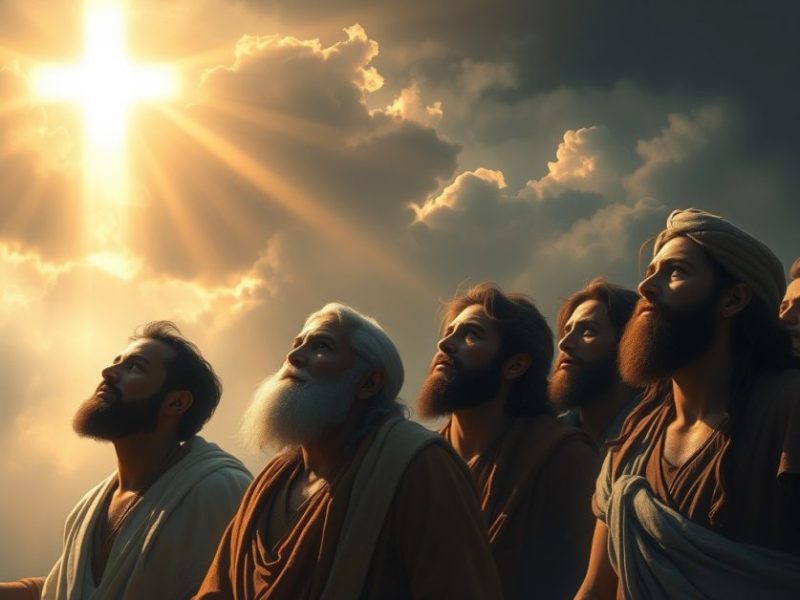
Who can stand in the presence of a holy God?
1 Samuel 6
 Moment to Moment (Bible blog)

We heard of the ark in Ephrathah;
we found it in the fields of Jaar.Let’s go to his dwelling place;
let’s worship at his footstool.” (Psalm 132:6-7)
In the Old Testament, the ark of the covenant was a symbol of God’s presence with the Israelites.
But at a time when the Israelites had turned their backs on God, it got captured by the Philistines. And even when the Philistines returned the ark, it was ignored by the Israelites for years. (I Samuel 4-7, I Chronicles 13:3)
But in this psalm, the poet recounts how David took the ark of the covenant from Kiriath-jearam and brought it to Jerusalem. (1 Chronicles 15)
The poet also recounts the promises God made to David to keep his dynasty alive forever.
There are two Ephrathahs in the Old Testament. This psalm probably is referring to the one in Kiriath-jearam.
But I do find it interesting that hundreds of years later, God kept his promise to David through the birth of Jesus in another Ephrathah: Bethlehem. (Micah 5:2; Matthew 2:5)
And after he was born, wise men from the East said,
Where is he who has been born king of the Jews? For we saw his star at its rising and have come to worship him. (Matthew 2:2)
And because of the cross, now we are clothed with salvation as God’s priests and we shout for joy because of it. (16)
More, the day will come when God will put all Jesus’ enemies under his feet. (I Corinthians 15:24-27).
And on that day, his crown will indeed be glorious. (18)
So let us remember that Christmas is not just about Jesus coming 2000 years ago. He will come again.
On that day, we will all sing,
The kingdom of the world has become the kingdom of our Lord and of his Christ, and he will reign forever and ever. (Revelation 11:15)
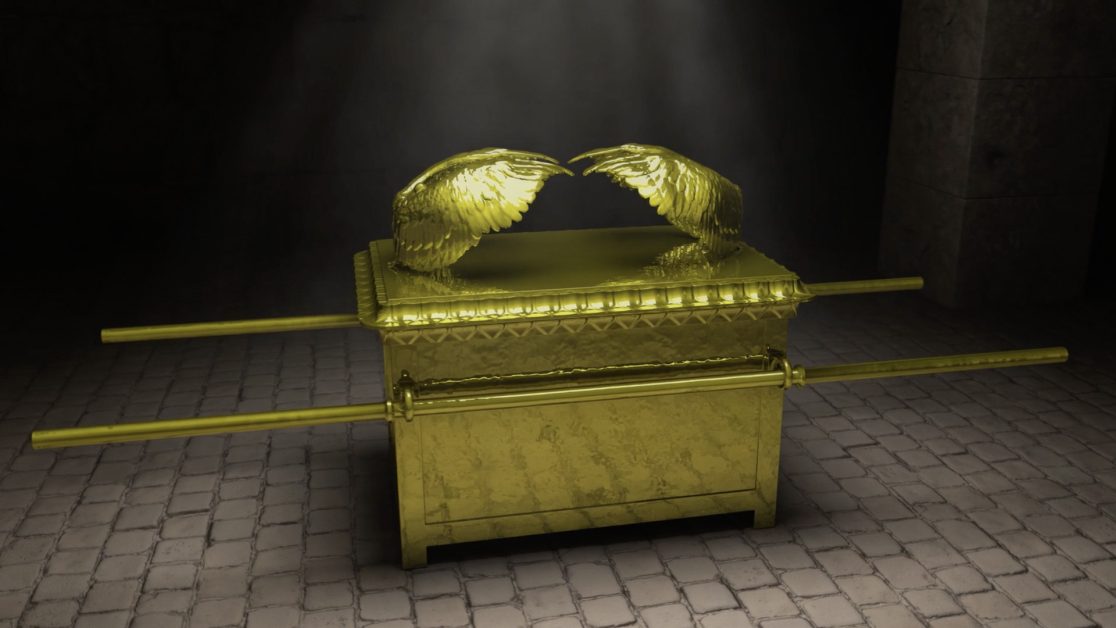
In this passage, we see the people of Israel, who have been living their own way and not following God, doing something worse: they were treating God like a genie.
They thought they could control him and use him to defeat their enemies.
But the author of 1 Samuel insists, “The Lord Almighty…is enthroned between the cherubim.”
Usually when you see that expression, it’s talking about the ark of the covenant, because God usually met with Moses and the priests in a cloud over the ark. (Leviticus 16:2)
But in this story, the cloud of God’s presence was nowhere in sight.
For that reason, I think it’s possible that the writer wasn’t talking about the ark, but the heavenly reality that the ark represented. That in heaven, the cherubim honor God as he deserves.
This in contrast to the lack of honor for God that the Israelites had.
And at the end of the story, the daughter-in-law of Eli gives birth and names her son “Ichabod” which means, “Where is the glory?”
She meant, “Where is the glory? God has left us. There is no glory here.”
But perhaps God was asking the same thing to the Israelites and us.
Where is the glory and honor he deserves? The cherubim rightfully give it to him. Do we? At church, in our homes, at our work, in our lives, do we honor and glorify God?
Or does God look down and say, “Where is the glory?”
 Moment to Moment (Bible blog)