When Joshua was near Jericho, he looked up and saw a man standing in front of him with a drawn sword in his hand. Joshua approached him and asked, “Are you for us or for our enemies?”
“Neither,” he replied. “I have now come as commander of the Lord’s army.”
Then Joshua bowed with his face to the ground in homage and asked him, “What does my lord want to say to his servant?” (Joshua 5:13-14)
This chapter has so many awesome things in it.
I love the idea of the rolling away of our past. (9)
I was also thinking about how failing to trust and obey God will lead us to wandering around the desert instead of finding the life God desires for us. (6)
But for some reason, whenever I read this chapter, I always gravitate toward verses 13-14. This is now the fifth article I’m writing on it.
I love how the English translation of the Jewish Bible describes Joshua’s response to the commander of the Lord’s army.
Joshua threw himself face down to the ground and, prostrating himself, said to him, “What does my lord command his servant?” (14, Tanakh)
Here was Joshua, the leader of God’s people. But when the commander of the Lord’s army shows up (who many Bible scholars believe is actually Jesus), he throws himself down before him, and asks, “What do you want of me?”
It reminded me of the response of the 24 elders in Revelation 4.
Whenever the living creatures give glory, honor, and thanks to the one seated on the throne, the one who lives forever and ever, the twenty-four elders fall down before the one seated on the throne and worship the one who lives forever and ever.
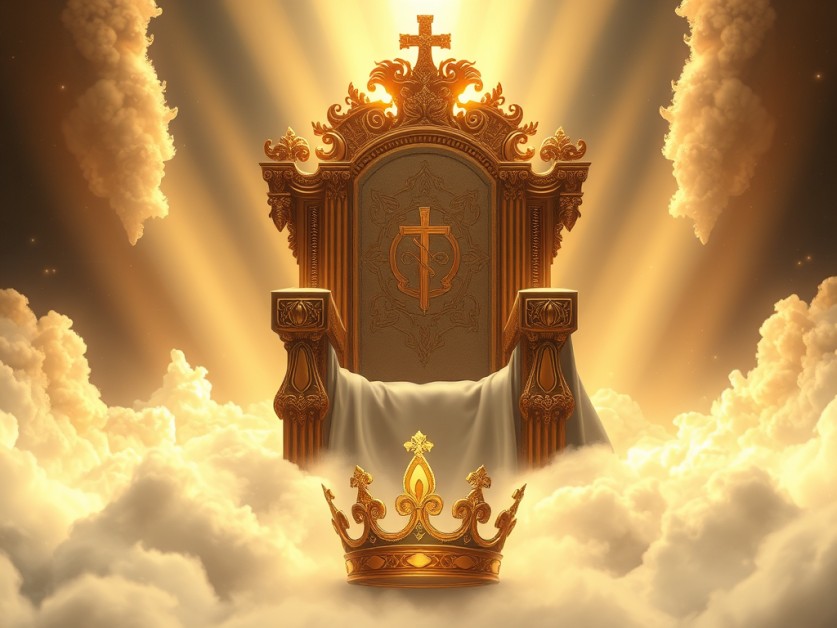
They cast their crowns before the throne… (Revelation 4:9-10)
Just as the twenty-four elders cast their crowns before the throne of God, so did Joshua before his commander, submitting to God’s authority in his life.
And that was my response to Jesus today.
Jesus, I cast my crown before you. You are my King. I surrender reign over my life to you. What do you want me to do?




 Moment to Moment (Bible blog)